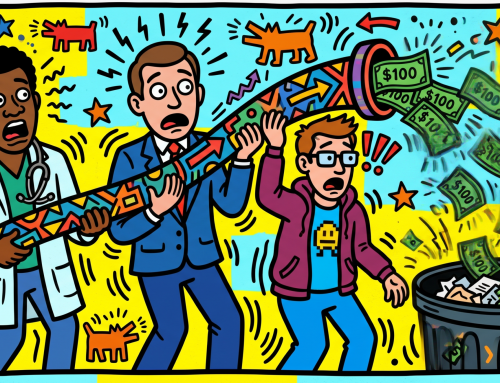

Revenue Leakage is a Silo Problem, Not a Technology Problem
Attention COO and CFO managing multi-site urgent care centers: does it feel like your IT department has become a bottleneck just when you need them to be a bridge? While you’re managing declining reimbursements and thin margins, they have retreated behind a ticketing system, prioritizing system uptime over business growth.
The frustration is real, but the stakes are too high to ignore. Every bureaucratic delay only compounds revenue leakage. As providers struggle to optimize workflows, the newest clinic in your network just received a two-star review on Google because the technology hindered the experience rather than helped.
The Silo Tax: Why Urgent Care Centers & ASC Face Revenue Cycle Leakage
When faced with this friction, many healthcare leaders reach for the only tool they have: more control. They impose stricter reporting and comprehensive documentation. But adding process for the sake of process rarely produces better results.
Others accept the status quo. They avoid the conflict and allow IT teams to keep closing low-value tickets while the improvements that would actually increase clinical capacity disappear down a rabbit hole.
Bottom line: adding bureaucracy only masks the pain and ensures that your technology remains a cost center rather than a growth accelerator. Why? Your problem is not a technology problem; it’s a silo problem.
Breaking Down Silos to Optimize the Flow of Value
When each department works in isolation, each will optimize their own KPI while ignoring the bigger picture. This leaves a gap where your most important question goes unanswered: who is responsible for optimizing the flow of value from patient intake to final payment?
You need a bridge to close the gaps between your silos. You need someone trained to think holistically about patient and provider needs while ensuring every technical decision delivers on revenue and margin goals.
But don’t look to IT to bridge this gap. That’s not what they have been trained to do; they’re implementers.
From Cost Center to Growth Accelerator: The Product Shift
You need a product strategist who can make the technology tradeoffs that drive business results. This strategist treats your EHR not as a tool, but as a platform where your unique business model is encoded.
For example, instead of customizing the UI to satisfy a vocal physician, your strategist would use those resources to implement automated E/M coding logic. One satisfies a single user; the other ensures that high-acuity visits are accurately captured and billed. One is a favor; the other provides a lift on your margin.
This small shift ensures your technology platform enables your network to deliver, and capture, higher acuity care across all the sites in your network.
If you’re ready to stop managing bottlenecks and start capturing the margin your network is capable of, let’s have a quick strategy call.