How Disconnected Clinical Workflows Weaponize Online Reviews Against Your Brand
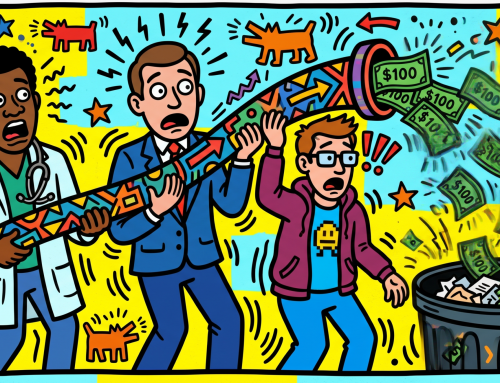
Healthcare COOs and CFO, it’s past time to recognize that today’s patients behave as savvy online consumers, reviewing online reviews. Before they even set foot into an exam room, they have already evaluated the quality of your health system and have passed judgement.
After price, online reviews are the primary factor that drive 62% of healthcare purchasing decisions. When your technology and services are aligned, not a problem. However, when technology and clinical practices are siloed, this introduces failure points in your delivery of care.
How Data Silos Negatively Impact Healthcare and Lead to Bad Online Reviews
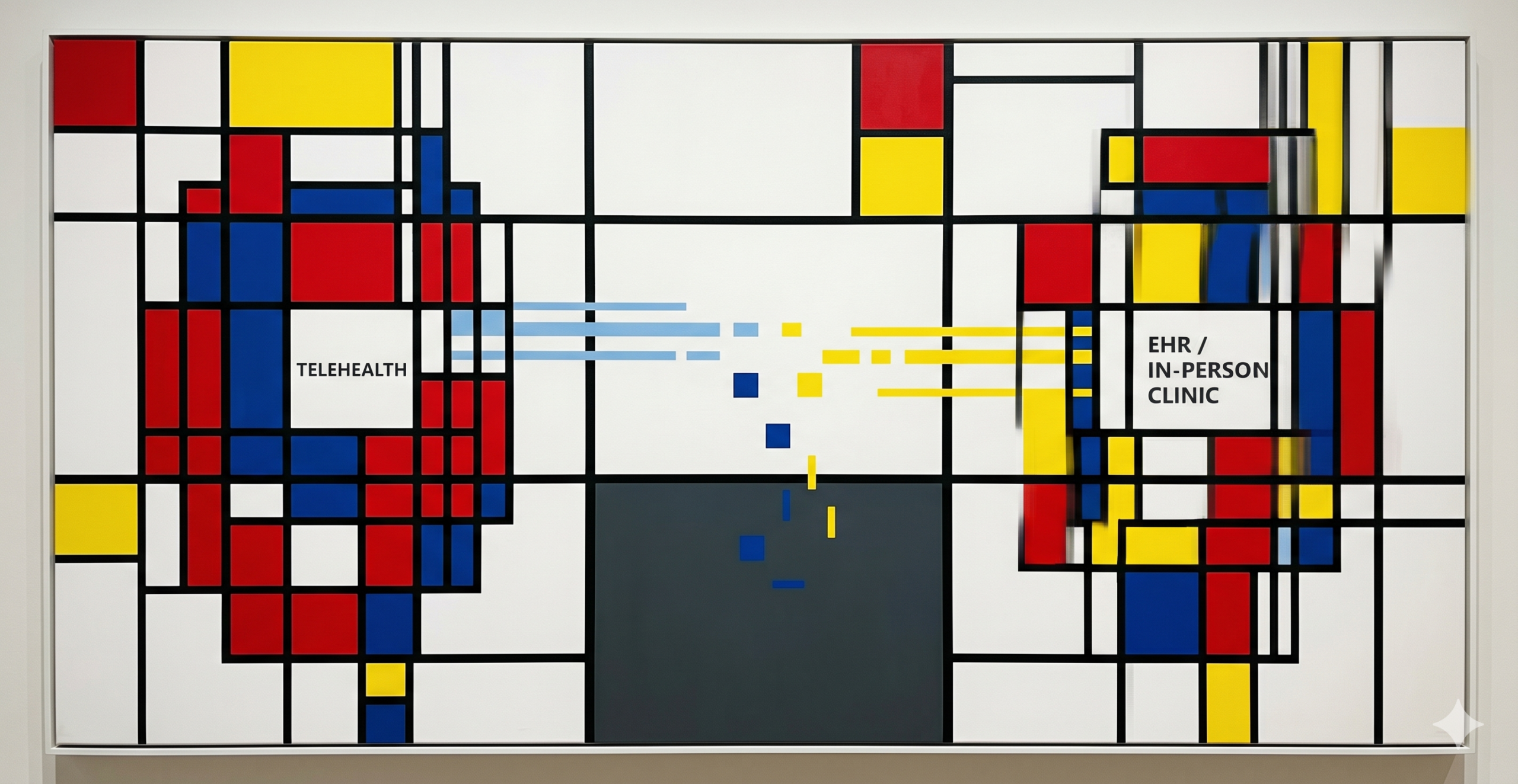
Consider the case of James. When he was experiencing a persistent cough, he contacted an urgent care center associated with a well-known health system for a telehealth consult. He selected this provider based on their brand and online reviews. After a short medical evaluation, James received a prescription for antibiotics.
When his symptoms worsened, James scheduled a follow-up, in-person appointment with a physician in the same health system. Following a second exam, the doctor evaluated James’s condition and prescribed the same treatment of antibiotics. Within two weeks, James was hospitalized for pneumonia.
The good news is that James recovered. The bad news is that James’s experience was entirely preventable. Why?
Because the data from James’s initial telehealth encounter was siloed in an independent platform that did not communicate with the health system’s EHR. This lack of data sharing created a clinical blind spot in James’s treatment. For James, the cost of this silo was obvious: hospitalization for pneumonia. For the health system, this silo put their brand reputation at risk.
The Incomplete Perspective of Healthcare IT Teams
This was not a clinical error but a direct consequence of technical myopia. For most healthcare enterprise IT teams, strategic thinking stops at a tool’s boundary. But it was this exact boundary that contributed to the ineffective treatment and delayed diagnosis for James. If the organization had a customer-centric, operational playbook that mapped the entire journey of the patient and their data, this gap would have been discovered.
Unfortunately, most enterprise IT teams are not equipped to think holistically about the patient experience. They are trained to think about infrastructure, installation and rationalization. Everything in their environment drives them to adopt a narrow view that the software, and other high-tech tools, are the product. This is an incomplete perspective.
Customer Journey Mapping in Healthcare Improves Quality
In healthcare, the product is how providers leverage the tools to deliver care and create a high-quality patient experience. The patient experience and your clinical workflows need to be thoughtfully designed and curated because without this integration the patient suffers. And when the patient suffers, eventually that dissatisfaction finds its way into a Google review.
Resolving this misalignment does not require purchasing new technology or adding headcount. It simply requires that you take time to locate exactly where your clinical data and workflows fail to communicate.
Let us uncover your hidden operational silos before they compromise clinical safety and damage your market reputation. Message me to arrange a discovery call.