
The Missing Link Between Patient Empathy and Acuity Recapture
For the COO of a multi-site urgent care network, growth should create momentum and economies of scale. Instead, it often creates friction, a growing backlog of technical requests and increasing provider burnout.
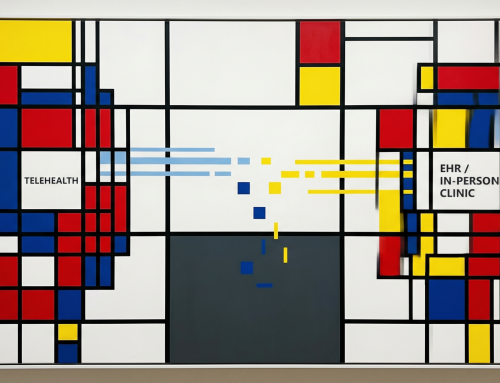
When your clinical staff describes “IT as a black hole where optimizations go to die” or say “IT is disconnected from reality”, you’re feeling this pain. What is causing this problem is a structural silo between your IT teams and your clinical operations that throttles your ability to scale.
Why IT Management Fixes Don’t Breakdown Silos
Most healthcare leaders attempt to fix this by delegating the solution to IT management. This is a mistake. Left to their own devices, IT teams default to what they know: more requirements, more status meetings and more governance.
All this bureaucracy is designed to manage infrastructure, not to improve patient flow. Adding layers of process only increases the burden on your team and the providers. It hides the underlying lack of alignment between IT and clinical operations in status reports and long email chains. Meanwhile, operational KPI, like door-to-door time and patient satisfaction, remain stagnant.
Bridging the Empathy Gap
The gap between IT and clinical operations is not caused by a lack of process and control. It’s an empathy gap where technical tasks are disconnected from clinical outcomes. To break this stalemate, you must reframe the relationship between the two departments through the lens of customer centricity.
The fix is to move from an inside-out mentality of “closing tickets” to an outside-in approach that prioritizes optimizations based on revenue impact and clinical capacity.
The “aha” moment occurs when you recognize that the IT customer is not the EHR software; it’s the patient sitting in triage for forty minutes worried about missing their child’s soccer game. When you align technology to the provider experience, you start opening up capacity and capturing the acuity that is leaking out of your clinics.
Measuring Real Impact
In a customer-centric model, success is measured by the impact the technology has on patients and providers.
- Did the technology enable the providers to deliver better care?
- Are the providers less frustrated by that experience?
- Do the providers feel more confident using the technology?
That’s the impact you want to seek.
If your growth is being throttled by rigid IT silos, let’s discuss how to transition your IT department from a utility to a high-impact driver of patient value.