Solving the Clinical Throughput vs IT Backlog Gap
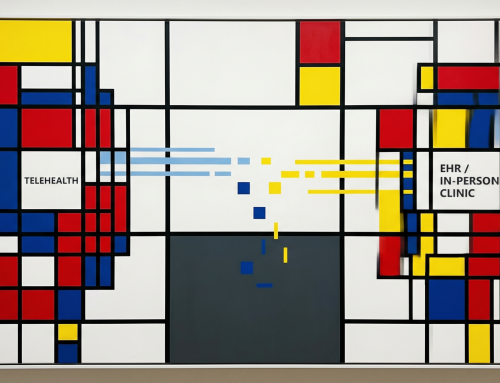
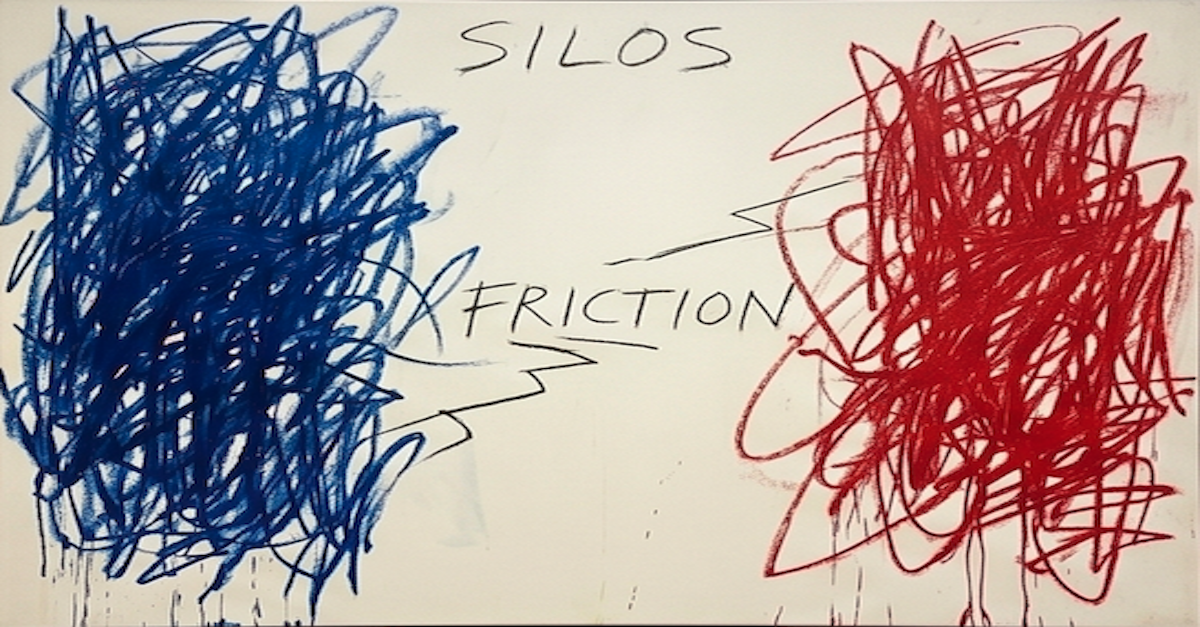
Your clinical network is growing, but the ability of your providers to capture and deliver value at scale is being stalled by a fragmented user experience. This friction is not the byproduct of scaling. It is the consequence of functional silos in your organization.
Your Silos Are Hiding in Plain Sight
Healthcare clients often say, “Our informatics team has deep clinical insight, but it is isolated from our IT teams.” This creates a communications gap that is easy to spot, if you know where to look. If you have an IT backlog that is constantly growing, but your patient satisfaction scores are declining, then you’re already feeling the pain of this gap. When IT and informatics don’t talk, the result is a fragmented provider and patient experience that encourages patients to seek care elsewhere.
The core of this problem is a service-oriented mindset on both sides of the gap. When informatics approaches IT, they usually have a specific solution in mind. Because most IT departments in healthcare lack product management experience, training or insight, they do what is expected of them. They close the ticket.
And while the specific fix might work for one site, IT pushes the change across the entire network where it impacts all providers. What started out as a quick fix for one location is now a cumbersome burden for the other locations. Why? Because IT allowed the preferences of a single provider, or clinic, to drive changes in the workflow without considering the impact on the rest of the network.
Customer Centricity: Breaking the Service-Oriented Mindset
This behavior is so common that many healthcare organizations have responded with the standard IT management solutions, increased control and bureaucracy. More status reports, documentation and meetings don’t fix the problem of clinical throughput. They only increase the administrative burden on your leadership and clinical teams!
The solution is to break the silos between IT and informatics and to alter their dynamic. Steve Johnson, a product leader I admire, likes to say,
“When customers describe a solution, they are almost always wrong. When customers describe a problem, they are almost always right.”
You must move away from a service-oriented mindset driven by tickets and adopt a product management mindset focused on customer centricity.
To deploy this new mindset, you need product manager (ideally embedded within informatics) to take ownership of closing the that final gap between IT and informatics. This role serves as a bridge, translating clinical problems into scalable technical outcomes that benefit the entire healthcare system. A product manager will recognize that your EHR is a strategic revenue platform that has been encoded with the unique attributes of your business model, not a monthly OPEX on your balance sheet.
Make Strategic Investments to Create Flow
Consider the difference in outcome when you have a product manager prioritizing your optimizations.
- In one scenario, you have a request to add a new button that few people will use.
- In the other, there is an opportunity to optimize a workflow that will decrease by 10% the amount of time providers spend charting in their off-hours.
Which one would you rather invest in?
When you shift the focus from closing tickets to owning the provider and patient experience, from silos to informational and operational flow, the technology finally begins to accelerate your scaling goals and business model. If you’re ready to stop the cycle of ineffective customizations, let’s start a conversation about how to bridge the gap between informatics and IT.